
Did you know the average person in the UK uses around 143 litres of water a day at home, but they also use water when they are out and about, including at work.
For businesses, water isn’t just something that flows from a tap, it’s a critical resource, a cost on the bottom line, and a lifeline for the environment. Whether you run a café, a factory, an office or a hotel, how you use and manage water matters hugely to your company’s financial health and to the rivers, wetlands and wildlife across the UK.
The UK’s growing water problem
The UK is often seen as a rainy country and therefore water is in abundance, but the reality is very different. Climate change is making rainfall more unpredictable. We are seeing longer dry spells, hotter summers, and sudden heavy downpours that do not replenish groundwater properly. The capacity to capture rainfall is limited, therefore too much at once isn’t helpful in delivering a consistent supply.
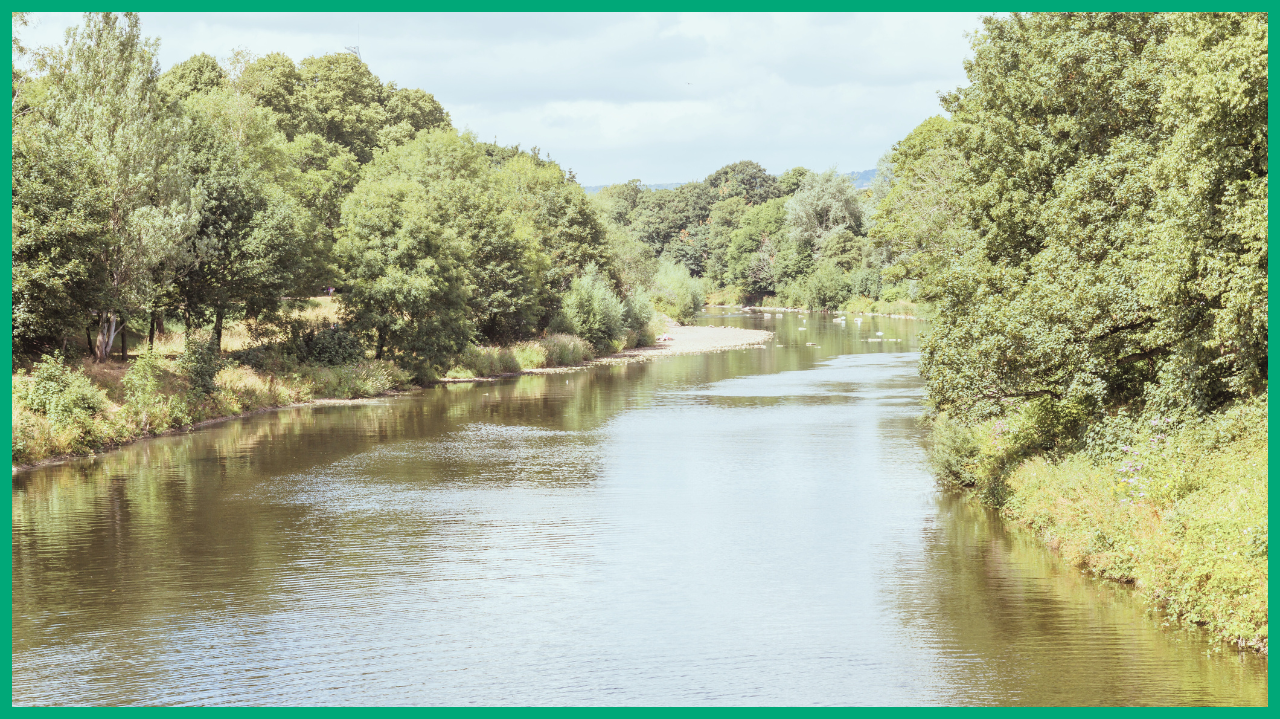
Rivers across England are under pressure. Over-abstraction, pollution, and wasted water means many rivers no longer flow as they should. Chalk streams are among the rarest ecosystems on the planet and many are now at risk of drying up.
Wildlife suffers first, but communities and businesses are never far behind.
When businesses waste water, the impact does not stop at higher bills. It adds pressure to already stretched water supplies, damages natural habitats, and increases the energy needed to treat and pump water which in turn raises carbon emissions.
What happens if we keep wasting water?
Continuing to waste water has serious consequences. Low river levels reduce oxygen, harming fish and aquatic life. Wetlands shrink, birds lose habitats, and natural flood protection weakens. During droughts, water companies may be forced to impose restrictions that affect businesses directly, from reduced supply to higher tariffs.
Cutting water use without cutting quality
Reducing water use does not mean lowering standards or disrupting operations. In many cases, it means working smarter.
Simple steps like fixing leaks, installing water-efficient fixtures, and reviewing cleaning processes can lead to immediate savings. Monitoring water use helps spot waste early. Staff engagement also plays a huge role, small daily actions add up fast.
Many businesses are surprised by how much water they use unnecessarily. Once you understand where water is going, reducing waste becomes far easier.
Why this matters for your bottom line
The environmental case for saving water is clear. But there is a strong financial case too.
Using less water means lower bills. It also reduces energy costs linked to heating and pumping water. Over time, efficiency measures can protect your business from rising water prices and future restrictions.
Businesses that act now are better prepared for tighter regulations and growing environmental expectations. Water efficiency is no longer a “nice to have”, it is a smart business decision.
A shared responsibility
Protecting the UK’s rivers and water supplies is a shared responsibility. Businesses play a vital role.
By cutting water waste today, you help safeguard ecosystems, support local communities, and future-proof your organisation. You are not cutting corners; you are setting a higher standard.
And in the long run, that benefits everyone.