Everyone wants to live a little greener, but when it comes to practical action, it can feel overwhelming. The concept of a circular economy sounds big and business-focused, but in truth, it can be woven into our daily habits with simplicity and genuine impact.
At its heart, a circular economy is about keeping resources in use for as long as possible, reducing waste, and turning used items back into something useful. For individuals across the UK, this shift can save money, reduce landfill pressure, and contribute to a healthier planet.
Here are real, doable ways you can embrace a circular economy at home and in your community.
1. Cut back on single-use plastics
It sounds obvious, but single-use plastics are everywhere, from food packaging to drink bottles. Reducing them isn’t just good for the environment, it’s good for the circular economy too. One of the simplest ways to begin is to choose products with less plastic packaging or refillable alternatives when you shop. Loose fruit and veg, bar of soap for hands and bulk buying where possible is an easy start.
Small adjustments like taking reusable bags and water bottles out with you, make a massive difference over time.
2. Manage and improve your recycling habits
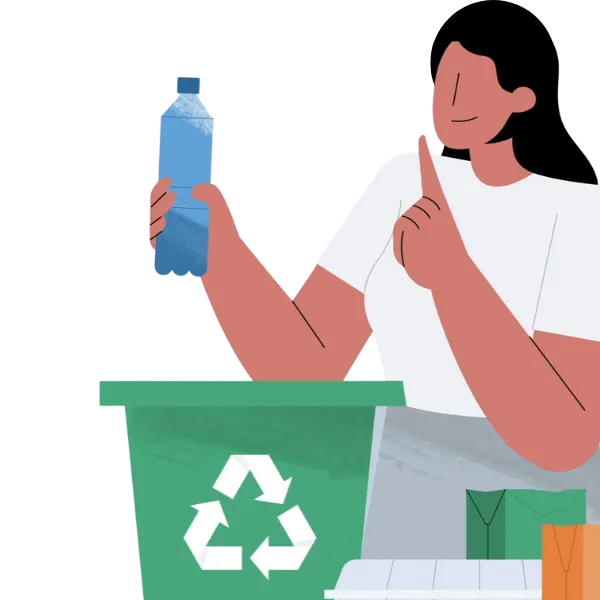
Recycling is no longer a niche activity, it’s part of everyday life for many UK households. However, it’s not just about throwing things into the bin. One of the biggest challenges councils face is contamination. When non-recyclable items, food waste, or incorrectly sorted materials are mixed in with recycling. Even small mistakes, like leaving food residue in containers or putting the wrong type of plastic in the bin, can spoil an entire batch. Contaminated loads are often rejected and sent to landfill or incineration instead. Learning what your local council recycles, and sorting materials properly, ensures your waste truly gets repurposed instead of ending up in landfill.
You might even discover local collection points for soft plastics or other items that don’t go into standard bins.
3. Compost organic waste at home
If you have a garden or outdoor space, starting a compost bin can transform the way you think about food waste. Vegetable scraps, coffee grounds and paper materials can become rich compost for plants instead of taking up space in landfill. It’s one of the easiest ways to close the loop on household waste.
Even in smaller spaces, there are compact systems that make composting doable for most households.
4. Repair instead of replacing
One of the most powerful shifts you can make is simply asking whether something can be fixed rather than throwing it away. Clothing, electronics, furniture and almost everything can be repaired with some patience, skill or the help of a local professional.
Repairing not only extends the life of an item but also strengthens the value we place on our possessions, which ultimately reduces demand for new products.
5. Invest in quality and longevity
When you do need something new, that decision becomes a circular economy opportunity too. Choosing well-made, durable products that are designed to last reduces waste and often saves money in the long run. Look for brands that make products easy to repair and offer spare parts, this is a huge part of a circular mindset.
It might mean paying a bit more upfront, but you’ll buy less over time and help shift markets toward sustainable design.
6. Donate, resell or swap unwanted items
Before throwing unwanted clothes or household goods away, think about where they could go next. Charity shops, community swap events, and online resale platforms are great ways to keep useful items in circulation and out of landfill.
This helps others, supports local causes, and keeps materials in the economy for longer.
7. Reduce overall consumption
Ultimately, one of the most effective ways to support a circular economy is cutting back on what we buy in the first place. Question your purchases: Do I really need this? Can I borrow, repair, or reuse instead?
Less stuff means less waste and more mindful, sustainable living.
Making circular living everyday
The circular economy doesn’t have to be complicated. It’s a collection of small actions that, when repeated consistently across the UK, create big environmental wins. From ditching single-use plastics to choosing quality and embracing reuse, every step counts.
By adopting these habits in daily life, you’re not just reducing waste, you’re reshaping the future of how we consume and care for our planet.