Reducing waste in corporate offices isn’t just about being greener, it’s about working smarter. Businesses that take practical steps to cut waste often see lower costs, more engaged employees, and a stronger sustainability story they can develop and promote.
In this blog, you’ll get clear, actionable ideas you can implement right away. These are the simple changes that make a real difference, without disrupting how your business operates.
1. Start with energy habits everyone can control
One of the easiest wins is energy waste. Lights left on in empty meeting rooms, screens glowing overnight, and equipment running when no one’s using it all add up fast.
Practical actions:
- Install motion sensors in meeting rooms and shared spaces
- Encourage employees to switch off monitors at the end of the day
- Set computers to energy-saving modes by default
These small actions reduce energy bills immediately and help employees feel part of the solution rather than blamed for the problem.
2. Tackle kitchen and breakroom waste
Office kitchens are often a hidden source of waste. Half-empty dishwashers, half empty out-dated fridges, and single-use items quietly increase costs and landfill.
Practical actions:
- Run dishwashers only when full
- Ensure regular removal of old food
- Downsize under-utilised fridges
- Replace disposable cups and cutlery with reusable options
- Add simple signage reminding people to be mindful
Clear guidance removes guesswork and helps teams build better habits naturally.
3. Reduce paper and printing at the source
Even in digital workplaces, printing creeps back in. The key is not banning it but making smarter choices.
Practical actions:
- Set printers to double-sided by default
- Track print volumes by department
- Encourage digital collaboration tools
- Remove unnecessary printers to reduce impulse printing
Less paper means lower supply costs and fewer waste collections — a win for both finance and facilities teams.
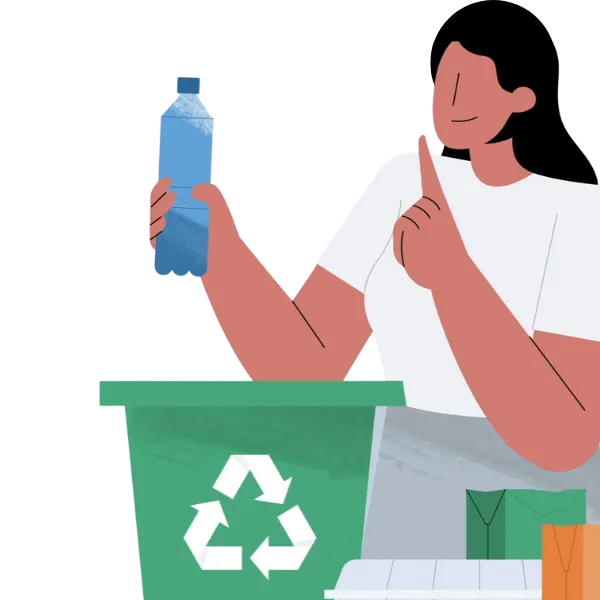
4. Improve waste sorting with clear, consistent signage
Even when recycling systems are in place, waste still ends up in the wrong bins simply because people aren’t sure what goes where. Confusing labels, inconsistent bin colours between work and home, or cluttered waste areas all lead to contamination and unnecessary landfill.
Practical actions:
- Use clear, visual signage with examples of what goes in each bin
- Keep bin layouts consistent across floors and departments
- Place recycling and general waste bins together to make the choice easy
- Review waste areas regularly and adjust based on common mistakes
When employees don’t have to stop and think, they’re far more likely to do the right thing. Clear signage removes friction and reduces frustration, especially for new starters and visitors.
5. Make waste reduction visible and rewarding
People are more likely to engage when they can see the impact of their actions. Share progress regularly, whether that’s reduced waste volumes, cost savings, or environmental benefits. Visibility builds momentum and reinforces positive behaviour.
This is where many businesses see another benefit of corporate sustainability engagement programme approaches: employees feel involved, valued, and motivated to contribute. Waste reduction becomes a shared achievement rather than a compliance exercise.
Recognition, rewards, and clear feedback turn sustainability into something people want to be part of.
6. Use technology to make waste reduction stick
Sustainable habits are more likely to stick when information is easy to access and simple to act on. Bite-sized content helps employees understand what to do, why it matters, and how their actions contribute to wider sustainability goals.
Technology can play a big role in making sustainability stick. Engagement platforms help businesses educate employees, track progress, and reward positive actions, all in one place. This creates clarity, consistency, and motivation without adding extra work for teams.
If you want to see how this works in practice, you can try a free Greenredeem demo to explore how employee engagement and rewards can support waste reduction across your organisation. It’s a practical way to turn good intentions into consistent action.
Make waste reduction easy and visible
People tend to follow the path of least resistance. If reducing waste requires extra effort or unclear rules, it simply won’t stick. That’s why providing capability and opportunity matters. Clear prompts, regular reminders and short tips help keep waste reduction front of mind without overwhelming teams.
Sharing progress, such as reduced waste volumes or cost savings also reinforces positive behaviour and motivation for others to participate. When people can see the impact of their actions, they’re far more likely to stay engaged.
Waste reduction is good for the planet and profit
Reducing waste doesn’t require major disruption. It requires visibility, consistency, and employee involvement. When people understand why it matters and can see the results, sustainable behaviour becomes part of everyday work life.
If you want more practical, actionable tips, download our case studies to find out more and see how other businesses are reducing waste successfully.