

If someone told you that you could reduce operating costs, increase productivity, and make your business more attractive to customers – all without a huge upfront investment – would you listen?
Because here’s the truth. You might be leaving money on the table by not looking at sustainability as a smart business strategy, not just an ethical one.
The idea that sustainability costs more is outdated. In many cases, it’s the exact opposite. Sustainable practices often reveal hidden inefficiencies. Things you’ve simply accepted as “normal” operational costs. And once you spot them, that’s where the savings begin.
Let’s explore where the money might be hiding and how to start reclaiming it.
The Silent Cost of Energy Waste

Every printer left on overnight, every underused meeting room fully lit, every outdated appliance quietly running in the background is money slipping away.
Start by tracking your energy use. Look for patterns. Are there areas where timers or motion sensors could help? Could equipment upgrades pay for themselves in under a year?
A simple switch to LED lighting can reduce lighting costs by up to 80%. Add automation to that and you have a cost-cutting solution that does not compromise comfort or productivity.
Supplies, Subscriptions, and the Stuff You Forgot You’re Paying For
How often do you review your stationery orders? Or the cleaning product stockroom? What about that monthly bottled water delivery that barely gets touched?
Looking at your supplies through a sustainability lens helps you ask better questions.
- Do we need this item?
- Can we buy it in bulk or in refillable formats?
- Is there a greener version that actually lasts longer?
One office cut their annual consumables cost by 40% simply by switching to reusable kitchen supplies. That translated to thousands back in the budget and far less waste.
Try running a quarterly ‘eco-audit’ to see what can be eliminated, replaced with reusable options, or shared between teams.
Remote Working and Flexible Space: The Untapped Resource

Recent years have made one thing clear. Many offices are larger than they need to be.
Hybrid working is not just good for wellbeing. It is good for overheads. Less space means lower costs in heating, lighting, cleaning, and lease agreements. And if downsizing isn’t in the cards yet, consider how to better utilise the space you have. Subletting unused rooms or hosting paid community workshops are just two ideas.
If your office is sitting half-empty most of the week, that’s valuable square footage not earning its keep.
Waste Disposal: Paying to Throw Money Away
The more waste you produce, the more you pay to get rid of it. That is a cost many businesses rarely question.
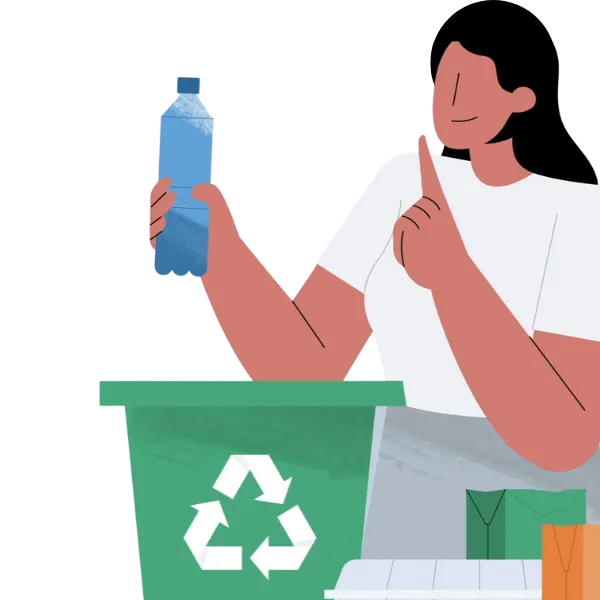
By examining what goes into the bin, you can cut both disposal and purchasing costs. This does not require drastic changes. Start small. Add labelled bins. Track common waste categories. Build a simple plan to reduce what appears most often.
One company reduced landfill waste by 65% just by introducing food waste bins and switching to package-free snacks in vending machines. Not only did their waste bill drop, but employees also felt more connected to the business’s mission.
Audit your bins. It may not be glamorous, but it is eye-opening and the results lead you to direct actions you can take.
Reputation ROI: The Long Game That Pays Off

There is another form of savings that’s harder to measure in pounds and pence, but no less powerful.
Customers are loyal to companies that align with their values. Talented employees seek out purpose-driven workplaces. Clients are more inclined to choose partners who demonstrate responsibility. All of this builds brand strength and lowers the cost of customer acquisition and retention.
If you are already working on sustainability, tell people. Share it clearly and consistently through your marketing, product packaging, or even email signatures. People want to support businesses doing the right thing. They just need to know about it.
Remote Working and Flexible Space: The Untapped Resource
Most likely, yes. But that is not a bad thing. It means there is room to grow.
Sustainability is not about big, expensive overhauls. It’s about noticing the leaks, asking better questions, and making small, meaningful shifts that benefit your bottom line.
And when those shifts save money and make your business stronger, more resilient, and more respected — that is the kind of green that everyone can get behind.