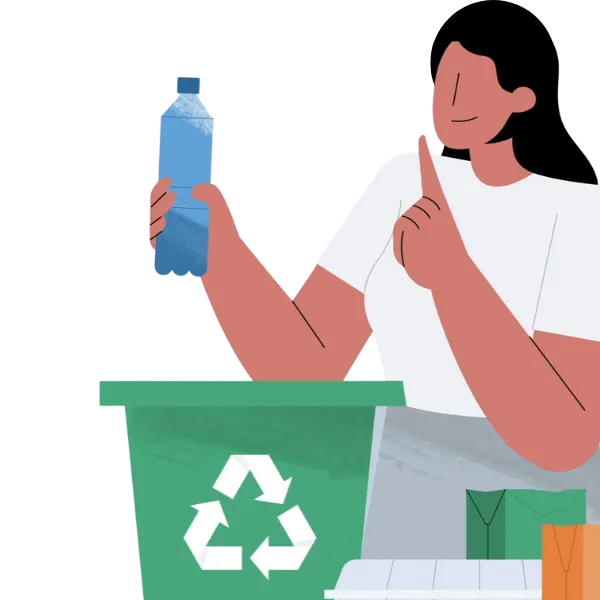
When people think about waste, they often picture overflowing bins, collection costs, or guilt about tossing things away. What if your waste stream isn’t just a burden? What if it’s secretly a source of profit?
Turning waste into value isn’t just good for the planet. If done right, it’s a smart business move. Here’s how to unlock that hidden profit in your waste.
Sell recyclable materials
Selling recyclable materials offers a practical way to convert waste into cash while supporting a greener planet. When you take items like scrap metal, unwanted clothes, old electronics or surplus materials to a recycling or resale centre, you can earn money that offsets disposal cost. Not only does this help reduce waste, but recycling also saves significant amounts of energy for example, by turning used materials into new products, you decrease demand for raw materials, conserve natural resources, and help curb pollution – making selling recyclables a win-win for your wallet and the planet.
Reduce costs through reuse
Reuse is another powerful lever. Before you bin something, ask yourself: could it be used again? Pallets, packing materials, containers, surplus paper or packaging. These are examples of many things that can be repurposed.
If you reuse internally (for storing, packing, or moving materials) or give reusable items to partners or community groups, you reduce the need to buy new. That means lower procurement costs. Over time, the savings add up. Fewer outlays on new materials, less waste sent for disposal – that’s cost reduction that directly benefits your business or organisation.
Improve operational efficiency
Waste isn’t just about disposal, it’s a signal. Often, operational processes could be leaner. High waste volumes might point to inefficiencies such as over-ordering, excessive packaging, materials sitting unused, or poor stock rotation.
By paying closer attention to what ends up in the bin, you gain insight into where you’re inefficient. Maybe you’re buying more materials than you need. Maybe inventory isn’t rotated well so stock expires or becomes unusable. Maybe packaging is overly generous.
Tackling these inefficiencies reduces both waste and cost. If fewer materials are wasted, fewer need to be purchased and disposal costs drop. Waste becomes a mirror that reveals opportunities for smarter operations.
Leverage resource efficiency
Resource efficiency is about making more from less. It’s clever sourcing, careful planning, mindful usage, and conscious disposal. When you treat every material as valuable, you start to see waste differently.
Ordering just what you need, choosing packaging that can be reused or recycled, designing processes that minimise leftovers, that’s resource efficiency in practice. Over time, you reduce waste, cut costs, and often improve your service or product quality.
When you combine resource efficiency with the ability to sell recyclables and reuse materials, the financial upside can be significant. What once was rubbish becomes a measurable asset.
Conduct a waste audit
To truly turn waste into profit, start with a waste audit to show you a clear picture of what you’re dealing with. Record what’s going out, for example recyclables, food waste, general refuse, packaging, expired goods, etc. Track volumes, frequencies, and costs (collection, disposal, replacement).
With that data in hand, patterns emerge. You’ll understand where the biggest waste and the biggest potential savings are. A waste audit isn’t a one-off exercise, it’s a diagnostic tool. Once you know the problem areas, you can prioritise actions: “Here’s what we recycle and sell,” “Here’s what we reuse,” “Here’s what we can cut down on.”
This clarity helps shape a waste strategy that’s not just eco-friendly, but financially sensible.
How behaviour change drove a major recycling boost
If you would like more information about this, take a look at our case study with Wokingham Borough Council. After we launched a borough-wide engagement campaign, Wokingham’s recycling rate jumped from roughly 40.5% to 50.3% – the second-highest increase in the UK at the time. Residents engaged with our regular campaigns, receiving weekly prompts, quizzes, tips and tailored communications that encouraged smarter disposal and better recycling habits. The shift led to lower disposal volumes, reduced landfill pressure, and more efficient use of resources, delivering real financial and environmental benefits for the council and the community.