
We say emissions, you think of cars and black smoke coming out chimneys, but the truth is that emissions are more than that. They’re a stack of unread emails lurking in your inbox, generating AI images for a laugh on your social media, even ordering items from overseas instead of sourcing them locally.
Invisible emissions are in abundance far more than the obvious. So much so that 1% of all global emissions are contributed to the use of AI. All the data storage on energy consuming servers which are being constantly cooled down using vital resources. Every action has a carbon footprint associated with it eventually, but technology is often forgotten about unless it’s sitting on our desks or ramping up our energy bills at home.
Let’s dive into some more invisible emissions that are slowly adding to your carbon footprint. Imagine making a positive difference to your carbon impact without even realising it! Here are a few things to implement:
1. Declutter Your Digital Life

Think of your cloud storage and inbox like a digital attic. Stuffed full of forgotten files, photos, and emails. But just because it’s not physically taking up space in your home doesn’t mean it’s not taking up energy somewhere else. Servers around the world are powering, cooling, and maintaining this information 24/7.
What you can do:
– Regularly delete old emails, especially those with large attachments.
– Clean out your cloud storage and remove outdated or duplicated files.
– Unsubscribe from newsletters you no longer read. It reduces both data usage and the energy required to store and deliver future emails.
2. Stream with Intention
That spontaneous late-night binge of nostalgic sitcoms? It’s fun, but streaming video, especially in high definition or 4K, requires significant data transmission, which in turn draws from power-hungry servers.
What you can do:
– Lower the default streaming resolution when quality isn’t crucial (like background TV or on small screens).
– Download content in advance when possible, especially for frequent re-watching or travelling.
– Consider using audio formats like podcasts or audiobooks when video isn’t necessary as they use less data overall.
3. Mindful E-Commerce

Clicking “Add to Cart” feels good, but the convenience of online shopping comes with an invisible carbon toll – especially with international shipping, fast delivery options, and high return rates.
What you can do:
– Shop locally when you can. Supporting local businesses not only reduces emissions from transport, but also strengthens your community.
– Group your purchases instead of placing multiple small orders.
– Resist impulse buys. Ask yourself if you’ll still want or need the item in a week.
4. Rethink Your Device Habits
Tech upgrades feel like milestones, but producing a new smartphone, for instance, emits as much as using an older one for several years. E-waste and manufacturing emissions are often invisible until you trace them back to the source.
What you can do:
– Extend the life of your devices by maintaining them properly and repairing rather than replacing.
– Sell or donate working tech instead of letting it collect dust.
– Use certified recycling services for electronics you can no longer use.
5. Conscious Use of AI Tools
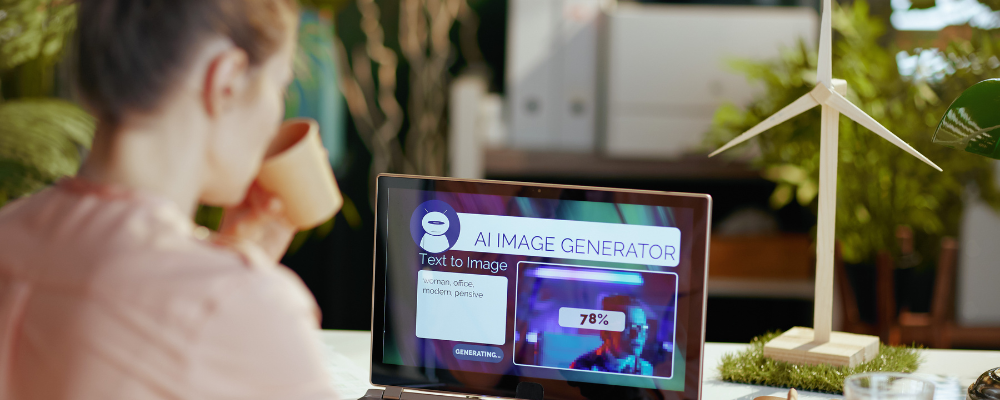
Whether you’re generating art, running voice searches, or asking AI to draft your emails (guilty as charged), know that each of these tasks taps into massive data centres. Yes, even this very article you’re reading contributes in a small way as it’s hosted on our servers.
What you can do:
– Use AI with purpose, not just out of curiosity or entertainment.
– Batch your questions or tasks instead of repeatedly refreshing and rephrasing.
– Opt for simpler tools when you don’t need advanced AI responses, such as a Google Search.
Small Shifts, Big Impact
The beauty of tackling invisible emissions is that you don’t need to overhaul your life. With a few mindful tweaks to your digital behaviour, you can drastically reduce your carbon footprint without breaking a sweat. It’s not about guilt; it’s about awareness and choosing better where you can.
Remember, sustainability doesn’t have to be dramatic. Sometimes, it’s as subtle as an empty inbox and a paused autoplay.