Waste is one of those issues that’s easy for businesses to underestimate. It doesn’t always show up as a line item on a strategy slide or a headline target in annual reports, yet it touches almost every part of daily operations. From energy and water to materials and food, waste quietly builds in the background when habits go unchecked.
While each instance may seem insignificant on its own, together they create environmental, financial and reputational risks that are becoming harder to ignore.
The hidden costs of waste
Waste is rarely just about what ends up in the bin. It represents inefficiency at every stage of a business’s operations. Over-ordering materials, running equipment unnecessarily or disposing of items incorrectly all add up financially. Energy wasted through lights left on or machines running idle directly inflates utility bills, while poor waste segregation increases disposal costs and reduces recycling rebates.
Over time, these inefficiencies compound. What seems like a few small oversights can quietly drain budgets, especially during periods of rising energy prices and tightening margins. Businesses that actively reduce waste often discover they’re not just doing the right thing environmentally – they’re improving their bottom line too.
Reputational risk is growing fast
Customers, employees and partners are paying closer attention to how organisations operate. Wasteful practices are increasingly seen as a sign of poor management or outdated values. Overflowing bins, excessive packaging or visible energy waste can undermine sustainability claims and damage trust.
Employees, particularly younger generations, want to work for organisations that take responsibility seriously. When internal practices don’t match external messaging, engagement drops and cynicism grows. Reducing waste isn’t just about compliance – it’s about credibility.
Small actions create big impact
Waste reduction doesn’t begin with sweeping changes. It starts with small, consistent actions embedded into daily routines. Much like culture change, waste reduction works best when it feels achievable rather than overwhelming.
Think of it as tuning an engine rather than rebuilding it. Minor adjustments, repeated often, can significantly improve performance over time.
Tackle energy waste first
One of the most common and avoidable sources of waste is unnecessary energy use. Lights left on in empty meeting rooms, computers running overnight and heating/air conditioning units operating outside of working hours all contribute to wasted resources.
Simple fixes such as motion sensors, clear “last person out” signage or shutdown reminders can dramatically cut energy waste. Encouraging teams to take ownership of their workspace, rather than relying solely on facilities teams, helps make energy awareness part of everyday culture.
Reduce water and appliance inefficiencies
Dishwashers and kitchen equipment are another frequent culprit. Running appliances half empty wastes water, energy and cleaning products. Clear guidance in shared kitchens, such as signage reminding staff to wait for full loads, can nudge behaviour in the right direction without feeling restrictive.
Fixing dripping taps and reporting faulty appliances promptly also prevents small issues from becoming ongoing sources of waste. These actions may seem minor, but across a whole organisation they add up quickly.
Fix waste segregation at the source
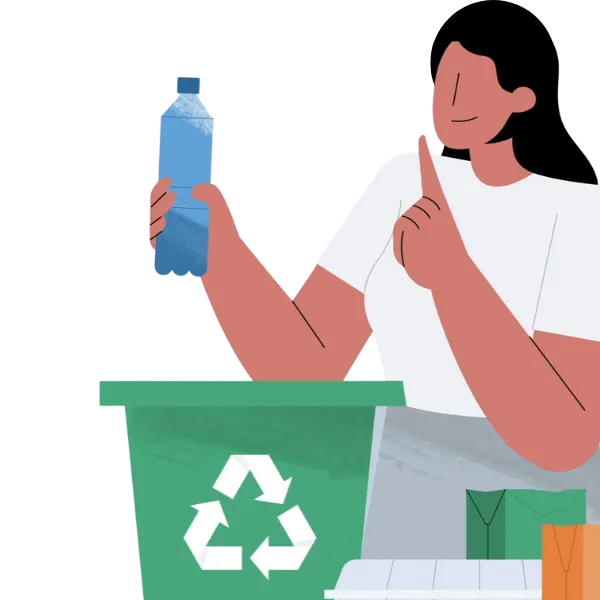
Even businesses with recycling contracts often struggle with contamination. Desk bins are a major reason why. When people have individual bins, waste segregation becomes inconsistent, and recycling quality suffers.
Removing desk bins and replacing them with shared, clearly labelled waste stations encourages better sorting and reduces overall waste volumes. Pair this with simple, visual signage showing what goes where, and confusion drops dramatically. The easier you make it, the more likely people are to get it right.
Make waste reduction easy and visible
People tend to follow the path of least resistance. If reducing waste requires extra effort or unclear rules, it simply won’t stick. That’s why providing capability and opportunity matters. Clear prompts, regular reminders and short tips help keep waste reduction front of mind without overwhelming teams.
Sharing progress, such as reduced waste volumes or cost savings also reinforces positive behaviour and motivation for others to participate. When people can see the impact of their actions, they’re far more likely to stay engaged.
Waste reduction is no longer optional
Ignoring waste exposes businesses to financial inefficiencies, reputational damage and missed sustainability opportunities. In contrast, organisations that take waste seriously often find it becomes a gateway to broader behaviour change, stronger engagement and long-term resilience.
The most effective waste strategies don’t rely on complex policies. They rely on people, supported by simple systems and clear expectations.
Ready to reduce waste and build momentum?
Staying on track with waste reduction is much easier when you have fresh ideas, clear guidance and practical tips delivered straight to you. That’s why joining our monthly mailing list can make such a difference.
You’ll receive useful insights and practical guidance to help you reduce waste without adding complexity. It’s an easy way to keep momentum, build confidence and make progress feel manageable.
If you want to create consistent habits, stay motivated and keep improving month after month, signing up ensures you never miss the tools and inspiration that help waste reduction become part of everyday business.